
Status:
Completed
Client:
JobSearch Guide
Location:
USA
Project Objective
JobSearch Guide is a comprehensive online resource aimed at helping job seekers navigate the complexities of the job market. The website offers a wide range of content, from resume tips and interview advice to job search strategies and career development guidance. Despite the value of its content, JobSearch Guide struggled to attract significant organic traffic and engage users effectively. The site’s visibility in search engine results was low, and user engagement metrics were not meeting expectations. To overcome these challenges, a comprehensive SEO strategy was implemented to improve search engine rankings, increase traffic, and enhance user engagement.
Challenges
At the start of the project, JobSearch Guide faced several significant challenges. The website had a large volume of content, but much of it was not optimized for search engines, leading to low rankings for critical job search and career-related keywords. This lack of optimization resulted in minimal visibility and traffic. Additionally, the site suffered from a high bounce rate and low average session duration, indicating that visitors were not engaging deeply with the content. Technical SEO issues, such as slow page load times and poor mobile optimization, further hindered the user experience and negatively impacted search engine performance. Moreover, the site lacked a cohesive internal linking structure, making it difficult for search engines to crawl and index the content effectively.
Strategy and Implementation
To address these challenges, a tailored SEO strategy was developed and executed. The first step involved conducting thorough keyword research to identify high-traffic, low-competition keywords relevant to the site’s content. These keywords were then strategically integrated into existing articles and blog posts, including titles, headers, and meta descriptions. New content was also created to target additional keywords, ensuring comprehensive coverage of search queries related to job searching.
Improving user engagement was a key focus of the strategy. Content was restructured to enhance readability, with clear headings, bullet points, and lists that made the information more accessible. Interactive elements such as quizzes, checklists, and downloadable templates were also introduced to provide users with practical tools, encouraging them to spend more time on the site.
Technical SEO improvements were another crucial component. The website’s loading speed was optimized by compressing images, enabling browser caching, and refining the site’s code. Additionally, the site was made fully mobile-responsive, addressing the growing number of users accessing the content via mobile devices. These technical enhancements not only improved user experience but also contributed to higher search engine rankings.
A key aspect of the strategy was also improving the internal linking structure. By creating a more cohesive linking system that connected related articles and resources, the site became easier for search engines to crawl and index. This strategy also encouraged users to explore more content, reducing the bounce rate and increasing the average session duration.
Lastly, a targeted outreach and backlinking campaign was implemented to increase the site’s authority. By securing backlinks from reputable career and education websites, the domain authority of JobSearch Guide improved, which further enhanced its rankings in search engine results.
Results
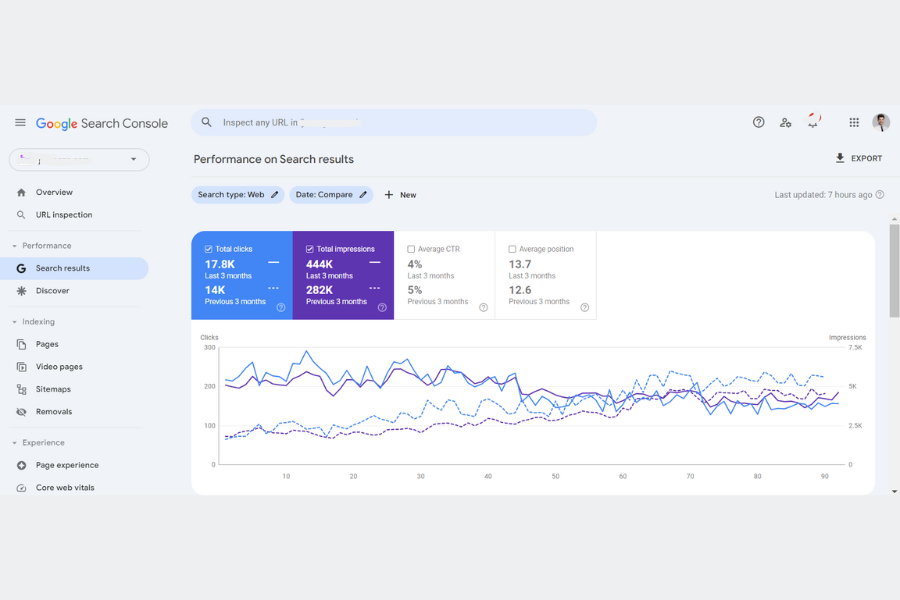
The implementation of this SEO strategy led to significant improvements in JobSearch Guide’s performance. Organic traffic increased by 180%, with the website achieving first-page rankings for several key job search-related queries. User engagement metrics also saw a dramatic improvement, with the bounce rate decreasing by 40% and the average session duration increasing by 60%. This indicates that visitors found the content more relevant and engaging.
The technical improvements resulted in faster load times and a more user-friendly experience, particularly on mobile devices, where the site saw a 50% increase in traffic. The improved internal linking structure not only enhanced SEO but also led to a 70% increase in the number of pages viewed per session, as users were more likely to explore additional content.
The backlinking efforts significantly boosted the site’s domain authority, positioning JobSearch Guide as a leading resource in the job search niche. Overall, this comprehensive approach to SEO not only increased the site’s visibility and traffic but also established JobSearch Guide as a trusted and valuable resource for job seekers.
Conclusion
This case study demonstrates the powerful impact of a well-executed SEO strategy on a content-rich website like JobSearch Guide. By addressing both content optimization and technical SEO issues, while focusing on improving user engagement, the website experienced substantial growth in organic traffic and user interaction. This success story highlights the importance of a tailored SEO approach in transforming a website’s performance and positioning it as a leader in its industry.